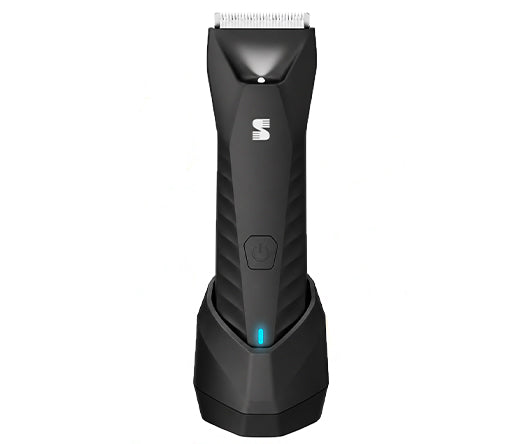
Choosing a body-grooming tool becomes much easier when you stop asking which option is “best” and start asking what job you need it to perform. A trimmer is usually most useful when you want to shorten body hair while keeping control over the remaining length. A groomer may cover a broader range of body-care tasks, while an electric shaver or manual razor is generally more relevant when a closer finish is the priority.
The right choice therefore depends on four practical questions: where you plan to groom, how much hair you want to leave, how close you want the final result, and how much cleaning or maintenance you are willing to manage.
Quick Verdict: Choose the Tool by the Result You Want
For most routines, the key difference between grooming tools is not simply how much hair they can remove. It is the type of result they are designed to create.
If you want to reduce length while maintaining visible hair, a trimmer is the most natural starting point. If you regularly groom several body areas and want one device to handle different tasks, a broader body groomer may make more sense. If your goal is a closer, smoother-looking finish, an electric shaver or razor may be more suitable for that final stage.
This means you do not necessarily have to choose one tool for every possible grooming task. Instead, decide what your routine requires most often and select the tool whose primary role matches that need.
Understand the Role of Each Grooming Tool
Although terms such as trimmer, groomer, shaver, and razor are sometimes used loosely, they describe different grooming roles.
A trimmer primarily reduces hair length. Depending on the design and attachment used, it may allow you to leave a controlled amount of hair rather than removing it as close to the skin as possible. This makes trimming useful for areas where neatness and consistent length matter more than a completely smooth finish.
A body groomer is a broader category. Some grooming devices are designed to handle several areas or combine trimming and closer-cutting functions. Their usefulness depends on whether you value versatility more than having separate tools dedicated to individual jobs.
An electric shaver is generally intended to cut hair closer to the skin than a typical guarded trimming setup. That can make it useful for finishing areas where you prefer less visible stubble, although the degree of closeness and comfort depends on the device, hair type, technique, and body area.
A manual razor removes hair at the skin surface and is usually chosen when a very close finish is the goal. It also requires more attention to preparation, blade condition, technique, and post-use cleaning.
Rather than treating these tools as direct substitutes, it is more useful to think of them as different stages on a spectrum from length management to close finishing.
Trimmer vs. Groomer vs. Shaver vs. Razor
The following comparison helps separate those roles more clearly.
| Tool | Main Role | Length Control | Typical Finish | Useful When | Maintenance Considerations |
|---|---|---|---|---|---|
| Trimmer | Shorten and manage hair | Usually strong, especially with guards | Trimmed rather than fully smooth | You want controlled, repeatable hair length | Hair removal from blades and guards; periodic blade care may be needed |
| Body groomer | Handle multiple body-grooming tasks | Varies by attachment and design | Can range from trimmed to relatively close | You want versatility across several areas | More attachments can mean more parts to clean and organize |
| Electric shaver | Cut hair relatively close | Limited compared with guarded trimming | Closer, smoother appearance | You care more about finishing than maintaining length | Foils, cutters, or heads need regular cleaning |
| Manual razor | Remove hair at skin level | Very limited | Very close finish | Maximum closeness is the main goal | Blades require frequent attention and replacement |
The most important distinction is the amount of control you want before reaching the skin. A guarded trimming setup creates a physical distance between the cutting element and the skin, making it easier to maintain a chosen hair length. A shaver or razor shifts the goal toward removing more of the remaining hair.
That difference matters because body grooming is rarely one uniform task. Chest hair, underarm hair, abdominal hair, and hair around more sensitive areas can differ in density, direction, and the result you want.
Which Tool Wins in Different Grooming Scenarios?
If your goal is simply to make body hair shorter and more even, a trimmer has a clear functional advantage: length management is its main job. Adjustable or interchangeable guards, when available, can also make it easier to reproduce a similar result across grooming sessions.
For someone building a routine around regular body-hair management rather than complete removal, looking at the range of tools within a manscaping trimmer category can help clarify which features and grooming roles are relevant before choosing a device. The useful comparison is not about finding a universal winner; it is about matching the cutting approach to the areas and finish you actually want.
A broader groomer may be the better fit when convenience matters more than specialization. For example, if you prefer having fewer devices and want to handle both general trimming and some closer finishing, a multifunction grooming setup can reduce the need to switch between tools. The tradeoff is that you should still evaluate whether each attachment performs the specific jobs you use most often.
An electric shaver becomes more relevant when visible remaining length is not desirable. You might use one after trimming longer hair first, because shortening hair before closer shaving can make the finishing step more manageable.
A razor is the most specialized option in this comparison. It makes sense when closeness is the priority and you are comfortable with the additional preparation and blade management involved. It is less useful when your main objective is maintaining a particular hair length.
For sensitive or difficult-to-see body areas, control should carry more weight in your decision. No tool should be assumed to be equally suitable for every area, so follow the device manufacturer's intended-use instructions and avoid assuming that a closer cut is automatically a better result.
Maintenance Can Change Which Tool Fits Your Routine
Performance matters, but a grooming tool that is inconvenient to clean may gradually become inconvenient to use.
Trimmers tend to collect clipped hair around cutting elements and guards, so routine debris removal is important. Devices with multiple combs or attachments also require a simple storage system if you want to avoid losing the length option you use most frequently.
Electric shavers can involve more detailed head or foil cleaning because smaller cut hairs may collect within the shaving assembly. Manual razors have fewer mechanical parts, but blade condition becomes a recurring consideration.
Wet-use capability should not be assumed unless the manufacturer specifically states that the tool is designed for it. The same applies to rinsing a grooming device under water. Cleaning methods vary between products, so the safest general rule is to follow the care instructions supplied with the specific tool.
Before buying, ask yourself a practical question: Will I actually clean and maintain this tool according to its design? A slightly more versatile device is not automatically more convenient if its extra attachments or cleaning requirements do not fit your routine.
A Simple Decision Checklist
You can narrow the choice quickly by working through these questions:
-
Do you want to leave visible hair?
If yes, prioritize a trimmer or a grooming device with reliable length-control options. -
Is a close finish more important than adjustable length?
If yes, an electric shaver or razor may have a larger role in your routine. -
Are you grooming several different body areas?
Consider whether one versatile groomer can handle those tasks or whether separate trimming and finishing tools would give you more control. -
Do you frequently change your preferred hair length?
Look more closely at how a tool manages guards, adjustments, or interchangeable trimming lengths. -
How much maintenance are you willing to do?
Consider blade cleaning, attachment storage, replacement parts, and the manufacturer's recommended care process. -
Are you using the tool around sensitive areas?
Prioritize control and intended-use guidance rather than simply choosing the option that cuts closest.
Choose Based on Your Routine, Not the Tool Label
The difference between a trimmer, groomer, shaver, and razor becomes clearer when you define the finish you want first. Trimmers focus on managing length, broader groomers emphasize versatility, electric shavers move closer to the skin, and razors prioritize a very close finish.
For many people, the most practical solution may involve more than one grooming role. You might trim first and finish selected areas more closely, or you may decide that consistent length control is all your routine requires.
Start with the body areas you groom most often, decide how much hair you want to leave, and then consider cleaning and maintenance. Those factors will tell you far more about the right tool than a simple search for one grooming device that claims to do everything.